Cloud Based CRM Software Complete Guide for Small Businesses
In today’s digital-first economy, businesses across the United States are rapidly shifting toward cloud based CRM software to manage customer relationships more efficiently. Unlike traditional systems, cloud CRM solutions offer flexibility, scalability, and real-time access—making them ideal for modern businesses.
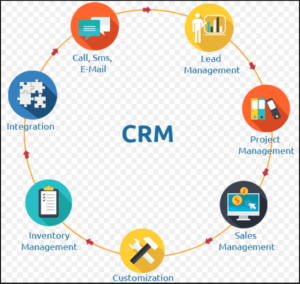
Whether you’re a startup, agency, or small business, cloud CRM helps you:
-
Store customer data securely
-
Manage sales pipelines
-
Automate workflows
-
Access data from anywhere
With the rise of remote work and AI-driven tools, cloud-based CRM systems have become the backbone of business growth in 2026.
What is Cloud Based CRM Software?
Cloud based CRM software is a system hosted on the internet (cloud) instead of being installed on local servers.
This means:
-
No installation required
-
Access from any device
-
Automatic updates
-
Subscription-based pricing
For example, when your sales team updates a lead, everyone can see it instantly—no matter where they are.
Why Cloud CRM is Important for Small Businesses in the USA
Small businesses in the U.S. need speed, flexibility, and cost-efficiency. Cloud CRM provides all three.
Key Benefits
1. Access Anywhere (Remote Work Friendly)
Teams can access data anytime, anywhere.
2. Cost Effective
No need for expensive hardware or IT setup.
3. Scalable
Grow your CRM as your business grows.
4. Real-Time Data
Instant updates across teams.
5. Automatic Updates & Security
Cloud providers handle maintenance and security.
Cloud CRM systems also centralize data and improve collaboration, helping teams work more efficiently and make better decisions.
Top Cloud Based CRM Software (2026)
1. HubSpot CRM (Best Free Cloud CRM)
Discover how HubSpot cloud CRM system helps small businesses grow faster.
Key Features:
-
Free plan available
-
Email marketing integration
-
Sales automation
-
Real-time analytics
Why Choose It?
Perfect for startups and beginners.
2. Salesforce (Best Enterprise Cloud CRM)
Explore Salesforce cloud CRM platform for advanced business automation.
Key Features:
-
AI-powered insights
-
Advanced automation
-
Custom workflows
Why Choose It?
Best for scaling and enterprise-level businesses.
3. Zoho CRM (Best Budget Cloud CRM)
Check Zoho cloud CRM solution for affordable yet powerful features.
Key Features:
-
Sales automation
-
AI assistant
-
Workflow automation
Zoho CRM is a SaaS-based platform used globally for managing sales, marketing, and customer support.
4. Pipedrive (Best for Sales Teams)
Learn how Pipedrive cloud CRM simplifies sales pipelines.
Key Features:
-
Visual pipeline
-
Deal tracking
-
Automation tools
5. Freshsales (AI-Based Cloud CRM)
See how Freshsales cloud CRM system improves automation.
Key Features:
-
AI assistant
-
Email tracking
-
Workflow automation
6. Microsoft Dynamics 365
Explore Microsoft cloud CRM solution for enterprise integration.
7. Insightly
Discover Insightly cloud CRM tools for project + CRM management.
8. Zendesk Sell
Check Zendesk cloud CRM platform for customer support integration.
Key Features of Cloud Based CRM Software
When choosing the best cloud CRM, look for:
1. Contact Management
Store and organize customer data.
2. Sales Pipeline Tracking
Track deals from start to close.
3. Automation
Automate repetitive tasks.
4. Reporting & Analytics
Analyze performance and trends.
5. Integrations
Connect with email, marketing, and other tools.
Cloud CRM platforms also offer advanced analytics and integration features that help businesses make data-driven decisions and streamline workflows.
Cloud CRM Use Cases
1. Sales Management
Track leads and close deals faster.
2. Marketing Automation
Run campaigns directly from CRM.
3. Customer Support
Manage tickets and communication.
4. Team Collaboration
Share data across departments.
Pricing of Cloud CRM Software (USA)
| CRM | Starting Price |
|---|---|
| HubSpot | Free |
| Zoho CRM | $14/month |
| Pipedrive | $14/month |
| Freshsales | $15/month |
| Salesforce | $25/month |
Cloud CRM follows a subscription model, making it cost-effective for small businesses.
Cloud CRM vs Traditional CRM
| Feature | Cloud CRM | Traditional CRM |
|---|---|---|
| Access | Anywhere | Local only |
| Cost | Subscription | High upfront |
| Updates | Automatic | Manual |
| Scalability | High | Limited |
Latest Trends in Cloud CRM (2026)
1. AI Integration
Modern CRM tools use AI for predictions and automation.
2. Mobile CRM
Access CRM on mobile devices.
3. Omnichannel Communication
Email, chat, and social media integration.
4. Hyper-Personalization
Customized customer experiences using data.
AI-powered CRM systems are helping businesses exceed sales goals and improve efficiency significantly.
Pros and Cons of Cloud CRM
Pros
✔ Access from anywhere
✔ Lower cost
✔ Easy to scale
✔ Automatic updates
Cons
❌ Internet dependency
❌ Subscription cost
Common Mistakes to Avoid
-
Choosing overly complex CRM
-
Not training your team
-
Ignoring integrations
-
Not using automation
Best Cloud CRM for Different Businesses
Startups
-
HubSpot CRM
-
Zoho CRM
Sales Teams
-
Pipedrive
-
Freshsales
Enterprises
-
Salesforce
-
Microsoft Dynamics 365
FAQs
What is cloud based CRM software?
A CRM system hosted online that can be accessed from anywhere.
Is cloud CRM better than traditional CRM?
Yes, it is more flexible, scalable, and cost-effective.
Which cloud CRM is best?
HubSpot, Salesforce, and Zoho are top choices.
Conclusion
Choosing the right cloud based CRM software is essential for business success in 2026.
Top recommendations:
-
HubSpot CRM (Best free option)
-
Salesforce (Best advanced CRM)
-
Zoho CRM (Best budget CRM)
Cloud CRM helps you:
-
Work from anywhere
-
Automate tasks
-
Improve customer relationships
-
Scale your business